

 English
 中文简体
中文简体 русский
 Deutsch

Являясь пионером инноваций в области алюминиевых сплавов в Китае, компания Jiangsu Hetuo Aluminum Wire с момента своего основания в 2019 году всегда ориентировалась на потребности клиентов и стремилась к их удовлетворению. Компания создала интеллектуальную производственную систему, охватывающую всю отраслевую цепочку, включая алюминиевую проволоку высокой чистоты, проволоку из высокопрочного алюминиевого сплава, алюминий и сварочные материалы из алюминиевого сплава. Компания расположена в зоне экономического развития Гуаннань, Ляньюньган, с превосходным географическим положением и удобным транспортом. Деловой круг высокоскоростной железной дороги расходится в пределах 3 километров. Компания использует преимущество местоположения Национальной базы новых материалов Ляньюньган для создания логистической системы «1-часовой зарубежный круг». Вся наша продукция соответствует международным стандартам качества, а наша экспортная карта охватывает множество рынков высокого класса за рубежом.
В настоящее время завод компании занимает площадь 40 000 квадратных метров и насчитывает 60 сотрудников, в том числе 30 профессиональных менеджеров и технических специалистов. Для обеспечения удовлетворенности клиентов мы внедрили современное оборудование и мощности, а также строго соблюдаем меры контроля качества на каждом этапе производственного процесса. Кроме того, наша система качества ISO-9001 и система менеджмента качества IATF 16949 прошли профессиональную сертификацию.
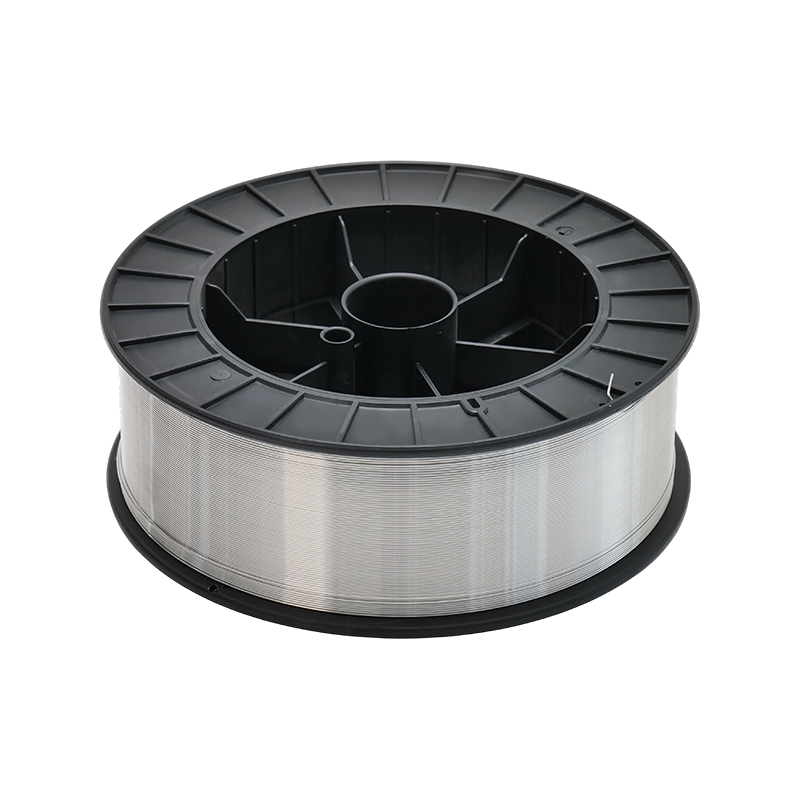
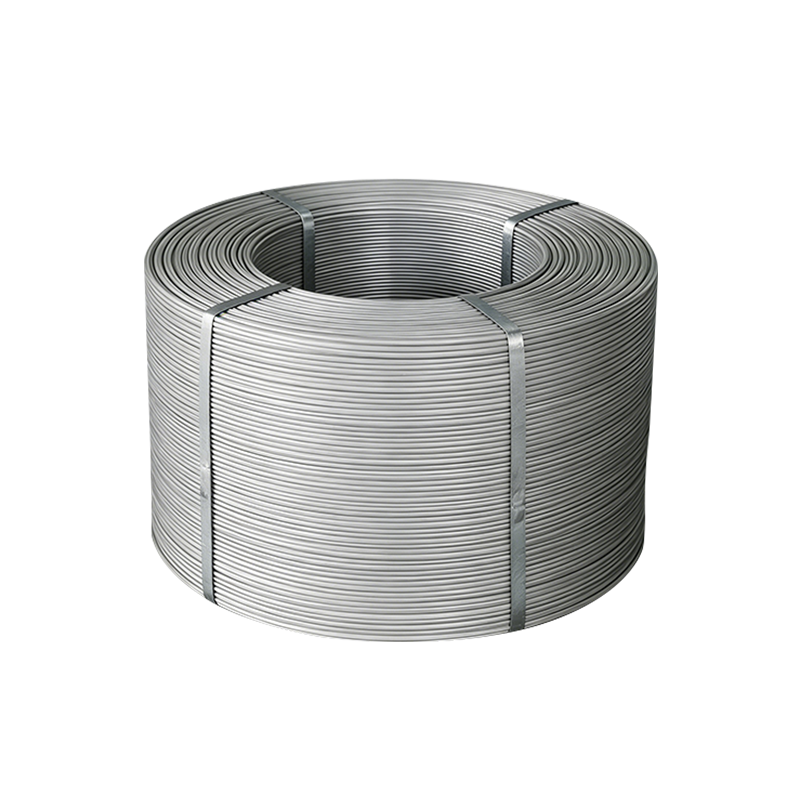
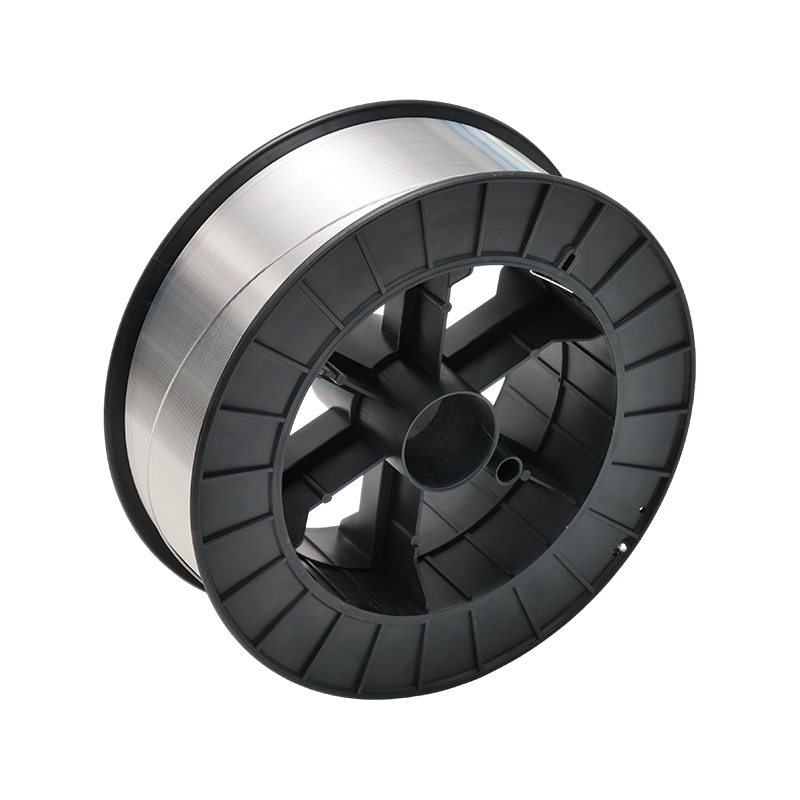
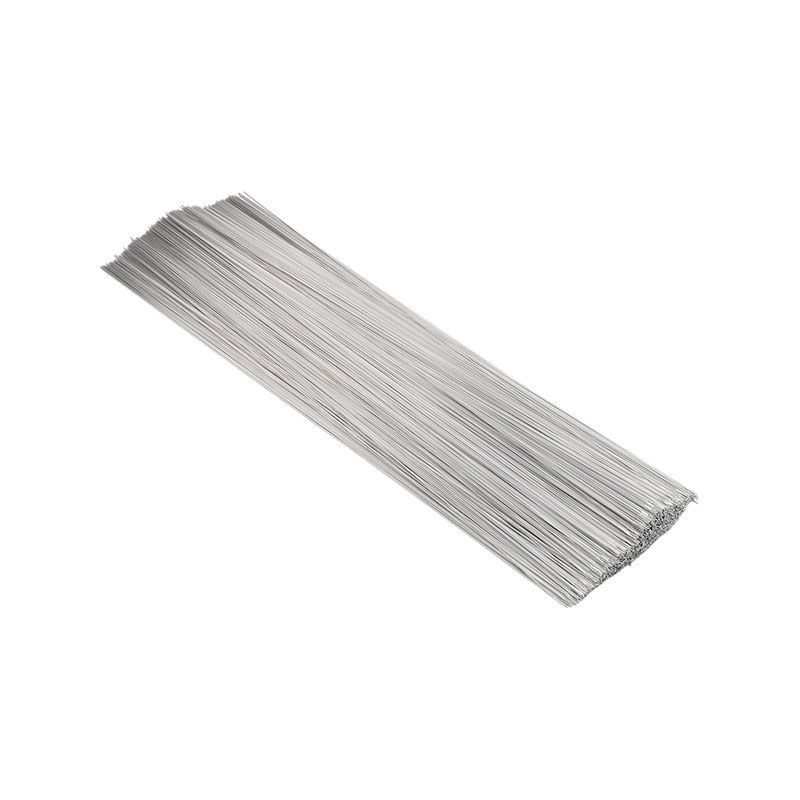
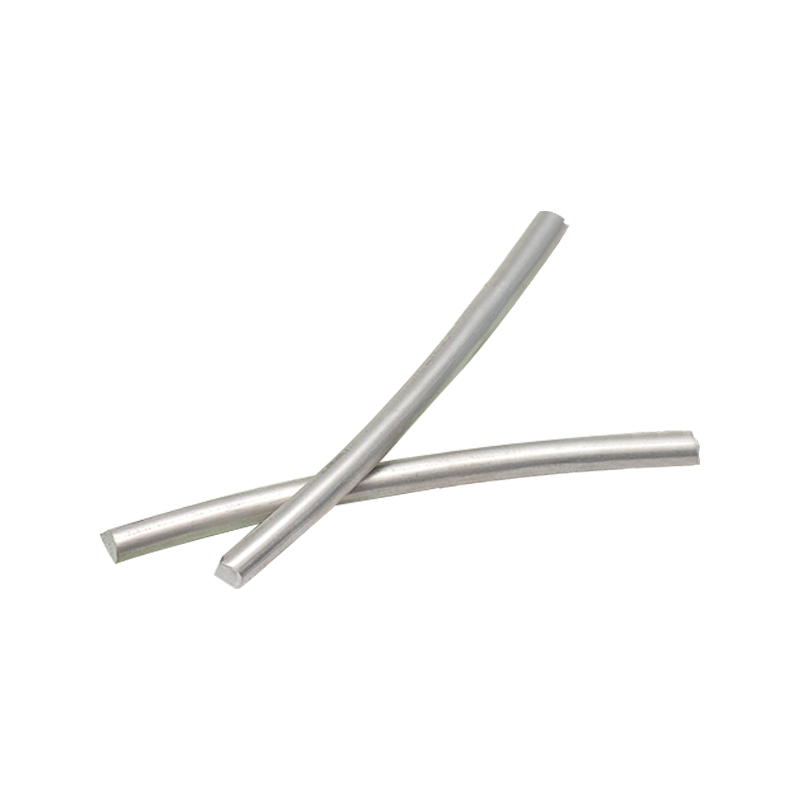
Сварочная проволока из алюминиевого сплава — один из тех расходных материалов, которые на полке выглядят просто, но становятся намного интереснее в тот момент, когда сварной шов начинает образовываться пористость, трескаться или плохо питаться. Проволока – это не просто присадочный металл. Это влияет на стабильность дуги, форму шва, коррозионную стойкость, качество обработки после сварки и на то, насколько щадящей будет вся работа в цеху. В этом руководстве рассматриваются основные марки проволоки, практические различия между сваркой алюминия MIG и TIG, а также моменты выбора, которые имеют значение при покупке для производства, ремонта или нового проекта. Что на самом деле делает сварочная проволока для алюминиевых сплавов При сварке алюминия присадочная проволока становится частью соединения. Его химический состав должен соответствовать основному сплаву, среде эксплуатации и процессу сварки. Проволока, которая прекрасно сваривается с чистым листом 6061, может оказаться неподходящим выбором для отливки, морского кронштейна или анодированной детали, цвет которой после отделки должен соответствовать цвету. Также имеют значение диаметр проволоки, чистота поверхности, намотка катушки и консистенция от партии к партии. Алюминий чувствителен к оксидам и влаге, поэтому сухая, чистая проволока с надежными характеристиками подачи стоит больше, чем расплывчатая этикетка «премиум». При сварке MIG проволока должна плавно проходить через направляющую и горелку, не перекручиваясь. Для TIG прямые отрезки должны быть чистыми, четко обозначенными и с ними легко обращаться на верстаке. Основные сорта, которые вы увидите в магазине Большинство дискуссий о сварочной проволоке для алюминиевых сплавов сводятся к небольшому семейству марок присадочных материалов. У каждого свой характер, и правильный выбор зависит от того, что должен делать сварной шов после того, как погаснет дуга. ЭР4043: Знакомый универсальный наполнитель ER4043 представляет собой алюминиево-кремниевый наполнитель с содержанием кремния около 5%. Он обеспечивает хорошую свариваемость, образование жидкой ванны и достаточную стойкость к горячему растрескиванию на многих термообрабатываемых сплавах. Его часто используют для литья, общестроительных и ремонтных работ. Компромиссом является более низкая прочность, чем у магниевых наполнителей 5xxx, а также сварной шов, который может потемнеть или по-другому реагировать при анодировании. ЭР5356: Прочность и коррозионная стойкость ER5356 – это алюминиево-магниевый наполнитель с содержанием магния примерно 5%. Это распространенный выбор, когда необходимы более высокая прочность, хорошая коррозионная стойкость и лучшая реакция на анодирование. Он хорошо работает с недрагоценными металлами 5xxx и 6xxx и широко используется в морских, транспортных и строительных работах. Для некоторых отливок он может быть менее щадящим, чем ER4043, поэтому идентификация основного металла по-прежнему имеет значение. AlMg6 Высокопрочная проволока из алюминиевого сплава Алюминиевая проволока с высоким содержанием магния для строительных, морских и транспортных работ, с хорошей стойкостью к расслаивающей коррозии и свариваемостью. Посмотреть продукт → ЭР5183: Для сложных морских и тяжелых работ ER5183 — еще один наполнитель на основе магния, который обычно выбирают, когда важны более высокая прочность и ударная вязкость. Это часто ассоциируется с морским производством и сверхпрочными алюминиевыми конструкциями. Это не универсальная замена ER5356, но может быть разумным шагом вперед, когда ожидается, что соединение будет выдерживать нагрузку в агрессивной среде. ER4047: Высокое содержание кремния для особых задач ER4047 содержит около 12% кремния. Его более низкий диапазон плавления и высокая текучесть делают его полезным для тонких материалов, пайки и некоторых ремонтных ситуаций, когда более щадящая лужа полезна. Это скорее специализированный наполнитель, чем выбор по умолчанию для общей сварки конструкций. Распространенные марки алюминиевой присадочной проволоки и места их применения. Оценка Семейство основных сплавов Типичная сила Коррозионная стойкость Общая посадка ER4043 Ал-5Си Умеренный Хорошо Общее изготовление, литье, ремонт. ER5356 Ал-5Мг Высшее Очень хорошо Морские, структурные, анодированные работы ER5183 Аль-Мг-Мн Высокий Очень хорошо Тяжелые и морские соединения ER4047 Ал-12Си Умеренный Хорошо Тонкий лист, пайка, специализированный ремонт Как подобрать провод к работе Начните с основного металла, а не с каталога проводов. Подтвердите, является ли деталь 6061, 5052, 5083, 3003, литейным сплавом или чем-то неизвестным. Затем спросите, что сварной шов должен выдержать: нагрузку, вибрацию, солевой туман, чистящие химикаты, анодирование или косметический осмотр. Позиция процесса также имеет значение. Провод, который проходит ровно, может вести себя по-разному над головой или в вертикальном положении. Для производственной работы консистенция и подаваемость могут иметь такое же значение, как и номинальный химический состав. Также стоит проверить допуск на диаметр, состояние катушки и то, хорошо ли поставляется проволока в упаковке, с которой ваши фидеры хорошо справляются. Когда вы сравниваете варианты, наши Сварочные материалы из алюминия и алюминиевых сплавов Ассортимент организован вокруг этих практических различий, а не из-за единого утверждения «один провод подходит всем». MIG и TIG: две разные привычки Сварка алюминия MIG выполняется быстро и продуктивно, но требует тщательной подготовки и стабильной подачи проволоки. Алюминиевая проволока мягче стальной, поэтому состояние гильзы, натяжение приводного ролика и угол наклона пистолета имеют значение. Угол толкания помогает удерживать дугу впереди лужи, а постоянная скорость движения снижает вероятность холодного притира или неравномерного наплавления. Аргоновая защита является обычным явлением, тогда как аргоно-гелиевые смеси могут использоваться там, где требуется больше подвода тепла. Проволока MIG для дуговой сварки алюминия Специальная проволока MIG для аргонодуговой сварки плавящимся электродом, подходящая для производства алюминия, где важна чистая подготовка и стабильная подача. Посмотреть продукт → Сварка алюминия TIG медленнее и требует больше ручного труда, но дает оператору возможность точно контролировать нагрев и форму шва. AC TIG широко используется, поскольку переменный ток помогает разрушить оксидный слой, одновременно обеспечивая очищающее действие. Выбор наполнителя по-прежнему следует той же логике: сопоставьте основной металл и потребности в обслуживании, затем скорректируйте технику с учетом толщины и конструкции шва. Проволока TIG для дуговой сварки неплавящимся электродом Специальная проволока TIG для аргонодуговой сварки неплавящимся электродом, предназначенная для работ с алюминием, где важны контроль нагрева и чистота перед сваркой. Посмотреть продукт → В обоих процессах чистота – немаловажная деталь. Масло, влага, смазочно-охлаждающая жидкость и тяжелые оксиды могут превратить хорошую проволоку в плохую сварку. Щетки из нержавеющей стали следует использовать только для алюминия, а очистка перед сваркой должна быть достаточно последовательной, чтобы оператор не переходил от одной детали к другой. Где применяется сварочная проволока для алюминия Вы найдете сварочную проволоку из алюминиевого сплава в кузовах грузовиков, прицепах, корпусах и арматуре лодок, сосудах под давлением, теплообменниках, железнодорожных компонентах, архитектурных каркасах, ремонтных мастерских и в обычных металлообработках. Каждая настройка имеет разное значение для прочности, коррозионной стойкости, внешнего вида или производительности. Изготовитель морских судов может больше всего заботиться о коррозии и прочности. Ремонтная мастерская может ценить отсутствие луж и доступность. Производственная линия может заботиться о постоянстве подачи, смене катушек и отслеживании партий. Вот почему один и тот же сорт наполнителя может быть превосходным в одном контексте и просто приемлемым в другом. Проверки качества, которые избавляют от переделок Качество проволоки проявляется в некоторой степени, прежде чем оно проявляется в неудачном сварном шве. Обратите внимание на одинаковый диаметр, чистую поверхность, плотную намотку катушки, четкую маркировку класса и упаковку, защищающую от влаги. Входной контроль должен включать основные сведения: состояние катушки, поверхность проволоки и идентификация в соответствии с заказом на поставку. В Jiangsu Hetuo Aluminium Wire мы производим сварочные материалы из алюминия и алюминиевых сплавов в Ляньюньгане, Китай, с системами качества, которые включают ISO 9001 и IATF 16949. Этот опыт подтверждает контроль качества нашей сварочной проволоки , от входных проверок материалов до окончательной упаковки. Практическая выгода для покупателей заключается в том, что при доставке новой партии в сварочную камеру становится меньше сюрпризов. Простой контрольный список выбора Прежде чем выбирать химический состав наполнителя, определите базовый сплав и его состояние. Решите, является ли приоритетом прочность, коррозионная стойкость, реакция на анодирование или свариваемость. Подберите присадку в соответствии с процессом: проволока в катушках для MIG, прямые отрезки для TIG, где это необходимо. Проверьте толщину, конструкцию соединения и положение сварки на соответствие рекомендованному диаметру и диапазону силы тока. Перед началом производства убедитесь в чистоте поверхности, упаковке и идентификации партии. Выполняйте пробную сварку на ломе одного и того же семейства сплавов каждый раз, когда вводится новая партия или марка. Последняя мысль Сварочная проволока из алюминиевого сплава требует небольшой подготовки. Знайте основной металл, выбирайте марку для условий эксплуатации, держите проволоку чистой и сухой и настраивайте процесс в соответствии с заданием, вместо того, чтобы заставлять одну настройку для каждой детали. Такой подход редко кажется драматичным, но обычно именно он отличает последовательную сварку алюминия от дня доработки. .article-section{color:#222;line-height:1.6;font-family:Arial, sans-serif;}.article-section table{display: table!important;}.article-section thead{display: table-header-group!important;}.article-section tbody{display: table-row-group!important;}.article-section tr{display: table-row!important;}.article-section th{display: table-cell!important;}.article-section td{display: table-cell!important;}.article-section table{width:100%;border-collapse:collapse;margin-bottom:18px;}.article-section caption{caption-side:bottom;font-size:16px;margin-bottom:12px;font-style:italic;color:#808080;}.article-section th{font-weight:bold;border:1px solid #cccccc;padding:8px;}.article-section td{border:1px solid #cccccc;padding:8px;text-align: center;}.article-section ol{margin-bottom:12px;list-style-type:decimal;list-style-position:inside;padding-left:5px;}.article-section ul{margin-bottom:12px;list-style-type:disc;list-style-position:inside;padding-left:5px;}.article-section li{list-style:inherit;font-size:16px;margin-bottom:6px;}.article-section h2{font-size:22px;font-weight:bold;text-align:left;margin-bottom:12px!important;}.article-section h3{font-size:16px;font-weight:bold;text-align:left;margin-bottom:12px;}.article-section p{font-size:16px!important;margin-bottom:12px;} .product-card{display:block;margin:20px 0;border:1px solid #e5e7eb;border-radius:10px;overflow:hidden;font-style:normal;background:#fff;box-shadow:0 0 5px rgba(31,41,55,.08)}.pc-inner{display:flex;text-decoration:none;color:inherit;align-items:center;min-height:148px}.product-card .pc-img{width:auto!important;min-width:0!important;max-width:min(36%,240px)!important;height:auto!important;min-height:0!important;max-height:148px!important;aspect-ratio:auto!important;object-fit:contain!important;flex:0 0 auto;display:block;align-self:center}.pc-body{padding:12px 16px;flex:1;min-width:0;display:flex;flex-direction:column;align-self:stretch;justify-content:center}.pc-title{display:block;font-size:15px;font-weight:600;color:#111;margin:0 0 6px;line-height:1.4}.pc-desc{display:-webkit-box;font-size:13px;color:#6b7280;margin:0 0 8px;line-height:1.5;overflow:hidden;-webkit-line-clamp:2;line-clamp:2;-webkit-box-orient:vertical}.pc-cta{display:block;font-size:13px;font-weight:600;color:inherit;margin-top:auto}.pc-inner:hover .pc-title{text-decoration:underline} .article-section a:not(.pc-inner),article a:not(.pc-inner){color:inherit}.pc-cta{color:inherit!important}